ALSO AVAILABLE THROUGH INSURANCE
Wound Care by Body Area
One of the things that makes HS wound care so difficult is location.
Unlike most chronic wounds, Hidradenitis Suppurativa lesions develop in the flexural areas, the folds and creases of the body where skin meets skin. These are warm, moist, constantly moving areas that present unique challenges for dressing and retention.
What works for a wound on an arm or leg simply doesn’t work here. Each area has its own specific challenges, and its own considerations for effective wound care.
Underarm (Axillae) Wounds
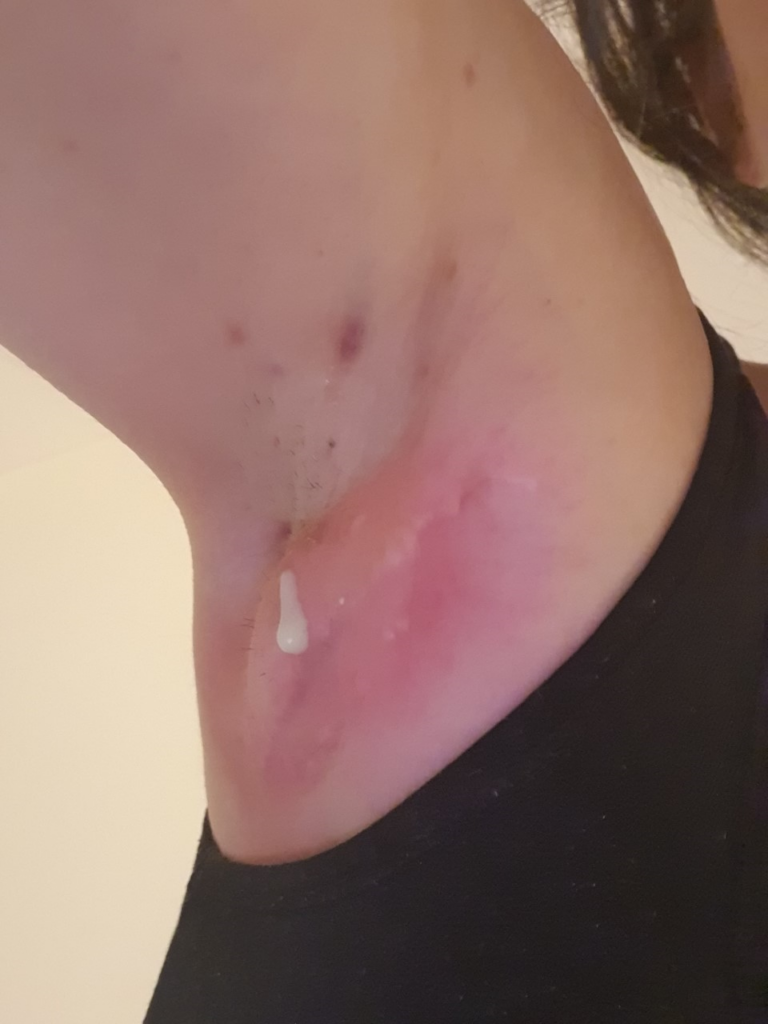
The underarm is one of the most common sites for Hidradenitis Suppurativa, and one of the most difficult to dress effectively.
The challenges:
The axilla is in near-constant motion. Reaching up, lowering an arm, carrying a bag, every movement shifts the skin and challenges dressing retention. The area is also warm and perspires heavily, which weakens adhesive bonds quickly. Hair in the underarm area adds another layer of difficulty for any adhesive-based product.
What this means for wound care:
Standard adhesive dressings have very little chance of maintaining coverage in this location. They lift at the edges, shift with arm movement, and frequently need replacing multiple times a day.
A retention system that doesn’t rely on adhesive is particularly important here. HidraWear Crop Tops and T-Shirts have targeted underarm treatment areas that hold dressings securely through a full range of arm movement, without any adhesive contact with the skin.
Groin and Inner Thigh Wounds
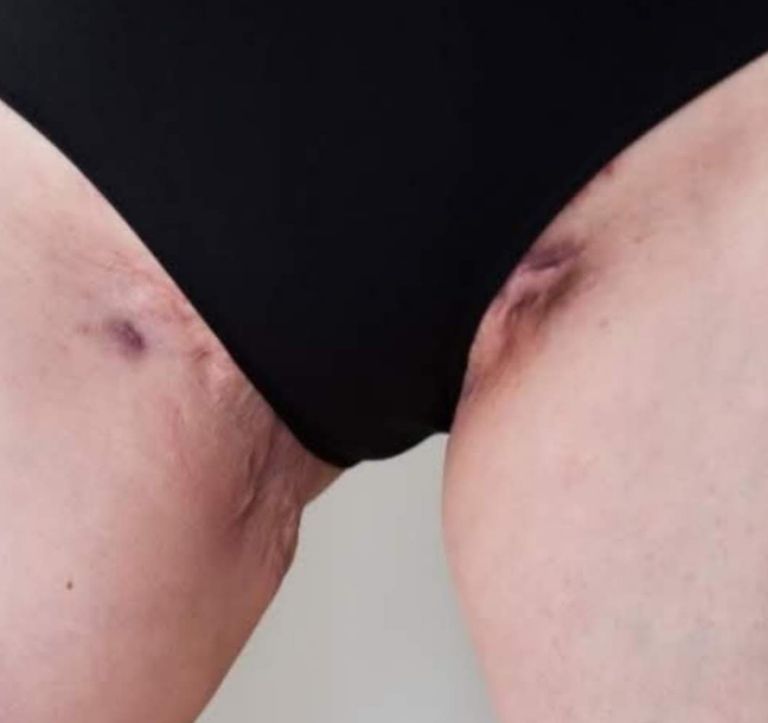
The groin and inner thigh area presents some of the most demanding wound care challenges of any HS location.
The challenges:
This area experiences significant friction with every step. The skin folds and flexes constantly, and the warm, moist environment accelerates dressing failure. Wounds here are also often bilateral, affecting both sides simultaneously, which increases the daily management burden considerably.
What this means for wound care:
Dressings in this location need exceptional flexibility and retention. They must conform to the skin’s contours, move with the leg, and withstand the friction of walking throughout the day. Leaks in this location are particularly anxiety-inducing for patients, making reliable absorbency critical.
HidraWear Briefs for Women and Boxer Briefs have targeted treatment areas in the groin region, holding dressings in place through movement without the need for adhesive.
Buttocks Wounds
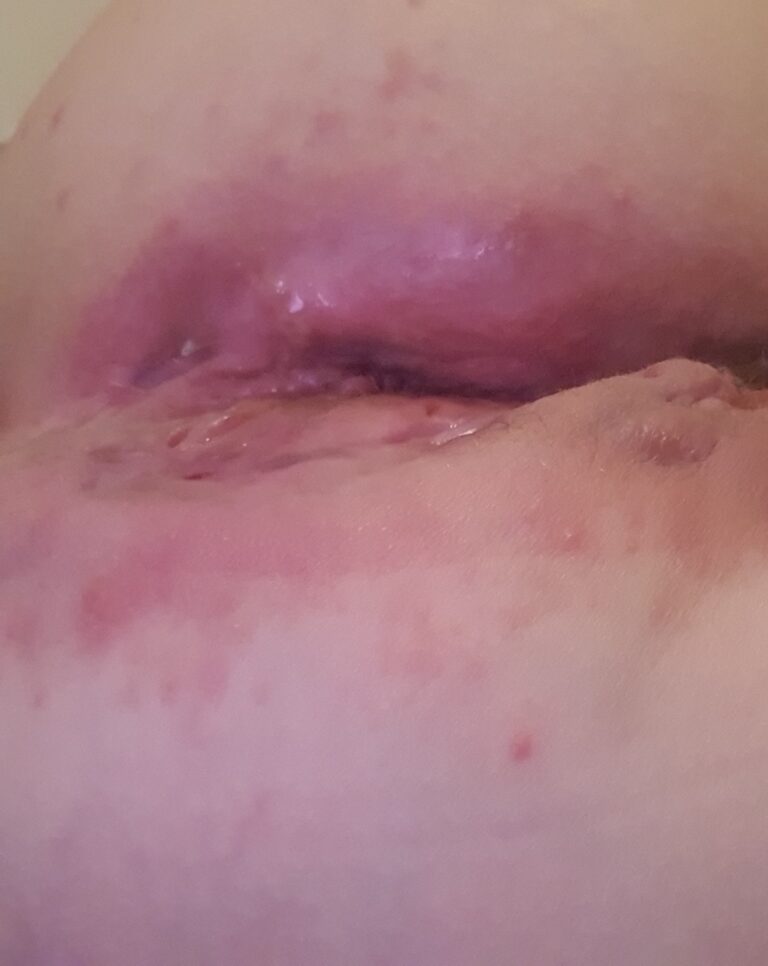
Buttock wounds are often underreported, partly because they’re out of sight, and partly because many patients feel embarrassed discussing this location with healthcare providers.
The challenges:
This area is under pressure and friction for extended periods throughout the day, sitting, standing, moving. Dressings in this location are vulnerable to shifting and bunching, and the skin is under constant mechanical stress. Self-application is also particularly difficult here, making independent wound management challenging.
What this means for wound care:
Dressings need to be robust enough to withstand sustained pressure and friction while remaining comfortable to sit on. Bulk is a particular issue; thick or poorly positioned dressings cause significant discomfort.
HidraWear Boxer Briefs have targeted treatment areas for the buttocks that hold dressings flat and in place, reducing bulk and allowing the dressing to stay secure through sitting and movement.
Chest, Back and Other Areas
While less common, Hidradenitis Suppurativa can also affect the chest, back, neck, and other areas of the body. These locations present their own challenges, particularly around dressing retention and discretion under clothing.
If you’re managing HS wounds in areas not covered by standard HidraWear garments, speak to your GP, wound care nurse, or dermatologist about the most appropriate dressing and retention options for your specific situation. A Tissue Viability Nurse can be particularly helpful in developing a wound care plan for less common locations.
Managing Multiple Wound Sites
Many HS patients manage wounds in more than one location simultaneously, for example, both underarms and groin, or groin and buttocks. This significantly increases the daily time and effort involved in wound care.
If you’re managing multiple sites, it’s worth discussing a comprehensive wound care plan with your healthcare provider rather than managing each area separately. A joined-up approach, using the right dressings and retention for each area, coordinated into a single daily routine, can reduce both the time and the emotional load of wound care considerably.
A Note on Self-Management
Many of the areas where HS wounds develop are genuinely difficult to reach independently. Underarm wounds can be dressed with relative ease, but groin, buttocks, and under-breast wounds often require significant effort, and for some patients, assistance from a carer or partner.
If self-management is difficult for you, this is worth raising with your healthcare provider. There is no reason to struggle in silence. A wound care assessment can identify the right products and techniques to make independent management as straightforward as possible.
Shop HidraWearNext: Dressing Changes: Tips & Techniques →
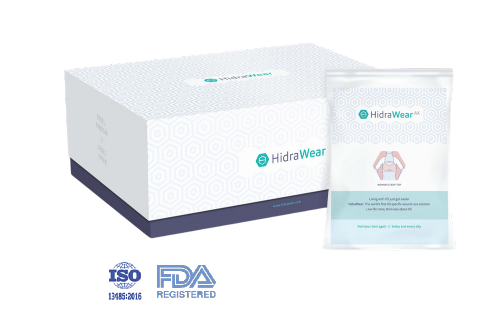
Self-pay or Insurance- you decide!
As well as our self-pay shop, HidraWear is now also widely available through a broad range of Insurance providers including Medicare and Medicaid. It can be prescribed by your provider, billed directly to your insurer and delivered right to your door.