This is Part 1 of a two-part guide. Part 1 covers your daily skin-cleaning routine and how to protect the skin around your wounds. Part 2 covers dressings and how to keep them in place without pain.
If you live with hidradenitis suppurativa (HS), caring for sore, draining skin is part of daily life. The good news is that a simple, gentle routine can help you feel more comfortable and more in control.
This guide explains hidradenitis suppurativa wound care in plain, easy words. Part 1 is all about the basics: cleaning your skin and protecting the skin around your wounds.
What is hidradenitis suppurativa?
Hidradenitis suppurativa is a long-term skin condition. It causes painful lumps, abscesses, and tunnels under the skin. These often appear where skin rubs together, the armpits, groin, buttocks, and under the breasts.
When these lumps open up, they can leak fluid (called exudate) and give off a smell. This is normal for HS and is not your fault.
Important: HS is not contagious, and it is not caused by poor hygiene. These are common myths that can make people feel ashamed. You have done nothing wrong.
Why good wound care matters
Looking after your skin will not cure HS, but it can make everyday life much easier. Good daily wound care helps you:
- Lower the amount of bacteria on the skin
- Reduce pain, leaking, and smell
- Protect the healthy skin around the wound
- Feel cleaner and more confident
Wound care works best alongside the treatment your doctor or nurse gives you.
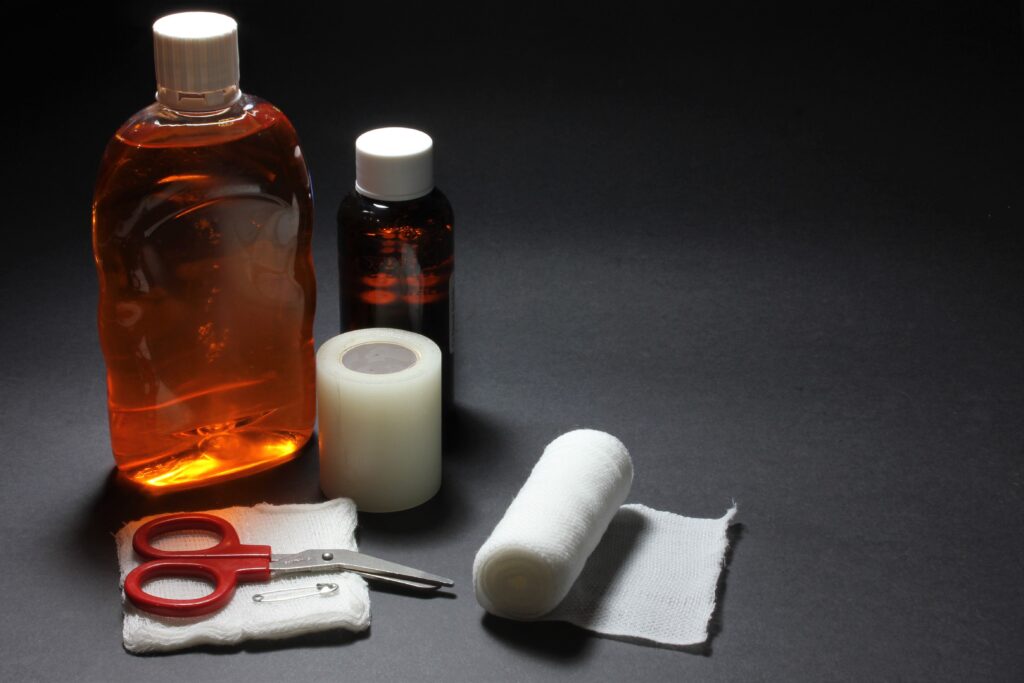
Step 1: Cleansing your skin
Keeping the skin clean is one of the most important parts of HS care. Here are some simple tips:
- Clean at every dressing change. Gently clean the wound, the edges, and the skin around it.
- Use a gentle antiseptic cleanser. Ask your nurse or pharmacist which one is right for you. Some strong cleansers can harm open skin, so always check first.
- Be gentle. Use a soft cloth or soft pad, and try not to rub hard.
- Warm the solution. If cleansing stings, warming it to room temperature can help. A numbing gel may also help if your nurse says it is okay.
- Pat dry. Gently pat the skin dry with a soft towel, especially in skin folds. You can also let it air dry.
A handy tip from experts: a pad soaked in cleansing solution can be left on a sore area for 10 to 15 minutes to soothe the skin and bring some relief.
You can also shower daily in warm water, just take your dressing off first.
Step 2: Protecting the skin around the wound
The skin around an HS wound can get damaged in two main ways:
- From leaking fluid. Drainage from HS – (clinicians call this Exudate) sitting on the skin can cause redness, itching, and soreness. This is sometimes called irritant contact dermatitis.
- From sticky dressings. Pulling off sticky tapes can tear or strip the skin. This is called medical adhesive-related skin injury, or MARSI. It can be very painful.
To protect the skin, your nurse may suggest a barrier film, a thin, invisible layer that shields the skin from fluid. The gentler, non-sticky types are usually best for HS.
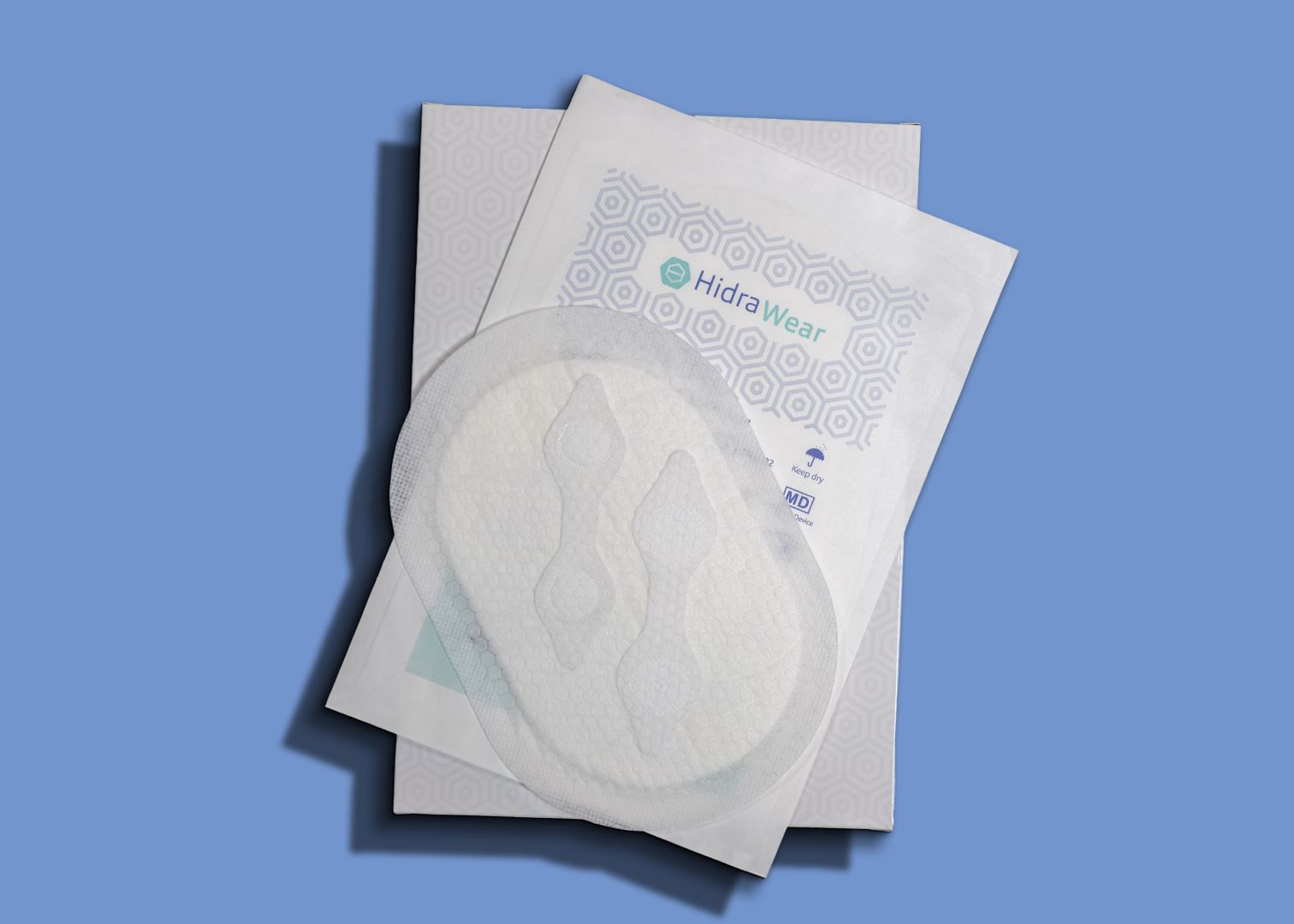
Avoiding sticky tapes on your skin is one of the best ways to prevent MARSI. Dressing systems made just for HS, like HidraWear, are designed to hold dressings in place without adhesive on your skin. We cover this in detail in Part 2.
Frequently asked questions
Can I shower with HS wounds?
Yes. Daily showering in warm water is fine. Just take your dressing off first, then clean and re-dress the area afterwards.
Is the smell from my wounds my fault?
No. Smell happens because of bacteria and fluid in the wound. It is a normal part of HS, and good wound care can help reduce it.
What cleanser should I use on HS wounds?
A gentle antiseptic cleanser is usually best, but some strong products can harm open skin. Always ask your nurse or pharmacist what is right for you.
Coming up in Part 2
Now that your skin is clean and protected, the next step is choosing the right dressing and keeping it in place. Read Part 2: Dressings and how to keep them in place without pain.
This article is for general information only and is not a substitute for medical advice. Always speak to your doctor, nurse, or wound care specialist about your own care.